
In a culture built on distraction, optimization, and constant self-assessment, it’s rare to stop, trust that we’re enough exactly as we are, and simply notice the world around us, as it is.
This practice is an invitation to do just that. It’s about staying close to direct experience as it unfolds: emotions, body sensations, silence, curiosity, awkward feelings, joyfulness, confusion, the urge to check your phone—all of it.
Why the
game exists
Why the game exists
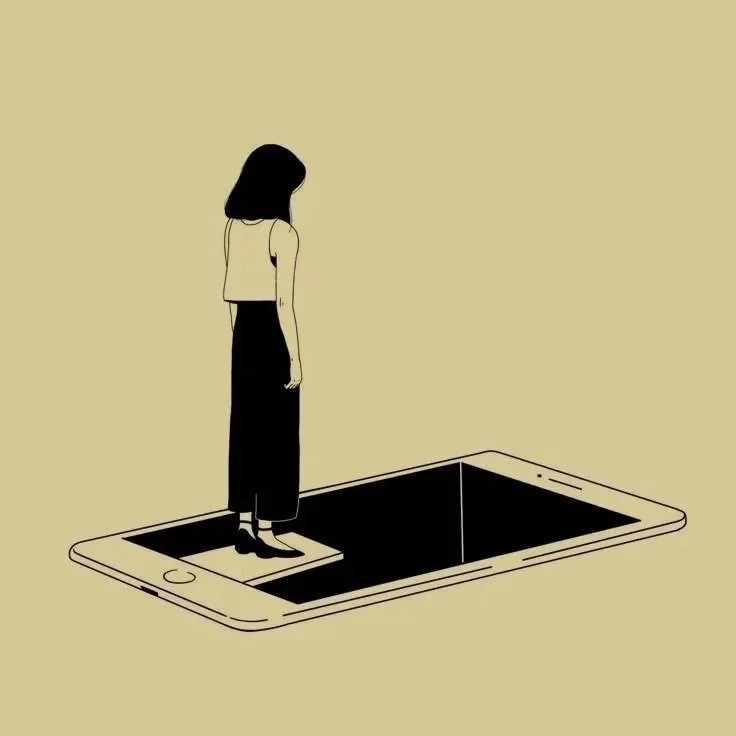
These are the small moments we tend to rush past. They’re also where aliveness actually lives.
In what’s happening right here, right now.
As your eyes move across these words. As you notice your lungs filling up with air, and then emptying. As you scan the environment all around you to locate a single moment of beauty.
This is it.
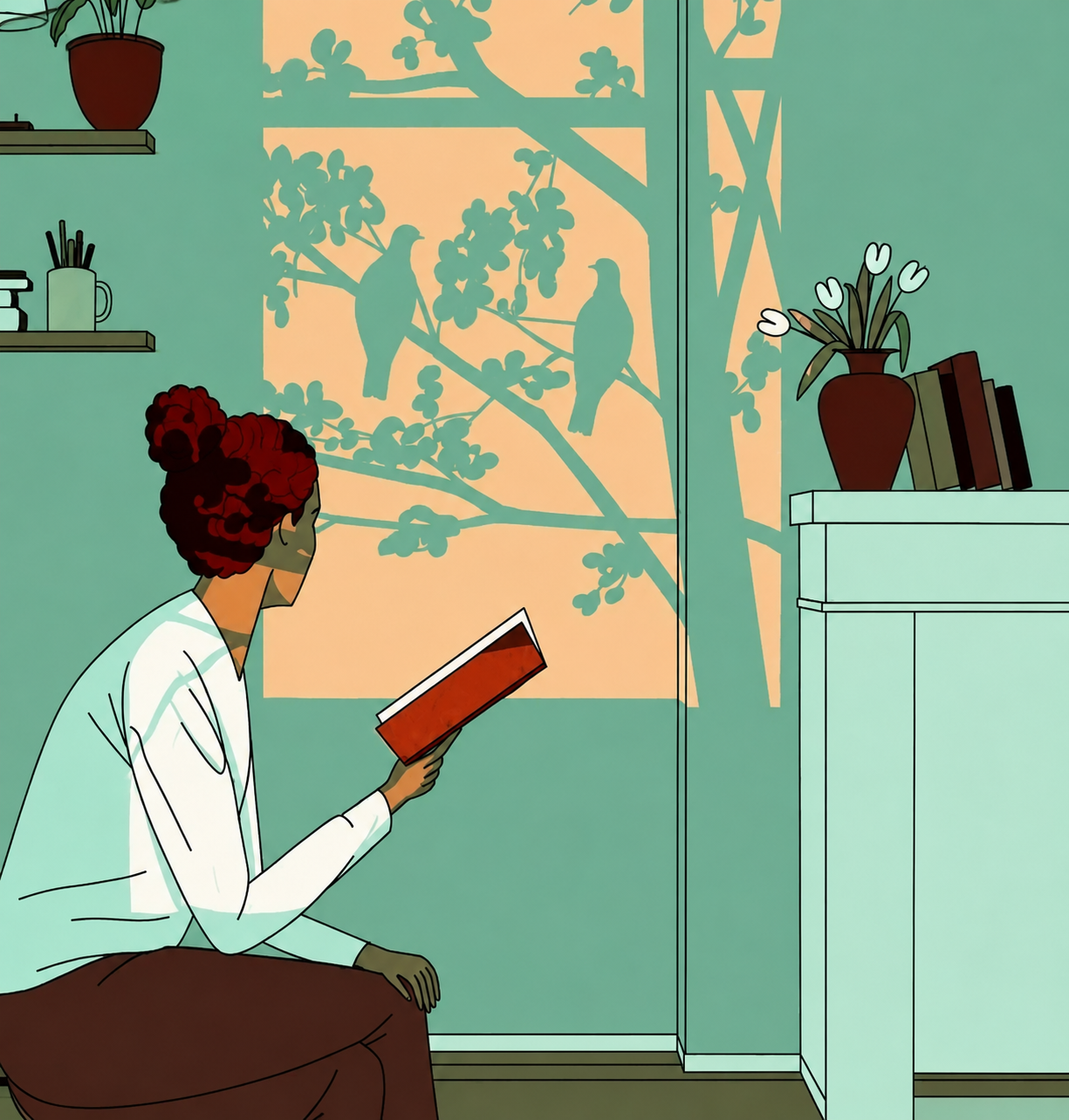
It can feel difficult to stay in this place of presence in the company of others, though. Almost automatically, our conversations drift into discussions about what has already happened or what might happen next.
Stories, plans, reactions, hopes. Our patterns are so deeply ingrained that we barely notice just how completely we relate to one another through the lens of the past and future.
But if we’re able to pause those habits, a small clearing opens up inside of our consciousness. A space where no future is rehearsing itself, and no echoes from the past are allowed to enter. Where awareness has the chance to just be.
And when a group of people comes together in this way, something uncommon becomes possible: permission to really be with one another, without agenda, performance, or defense.
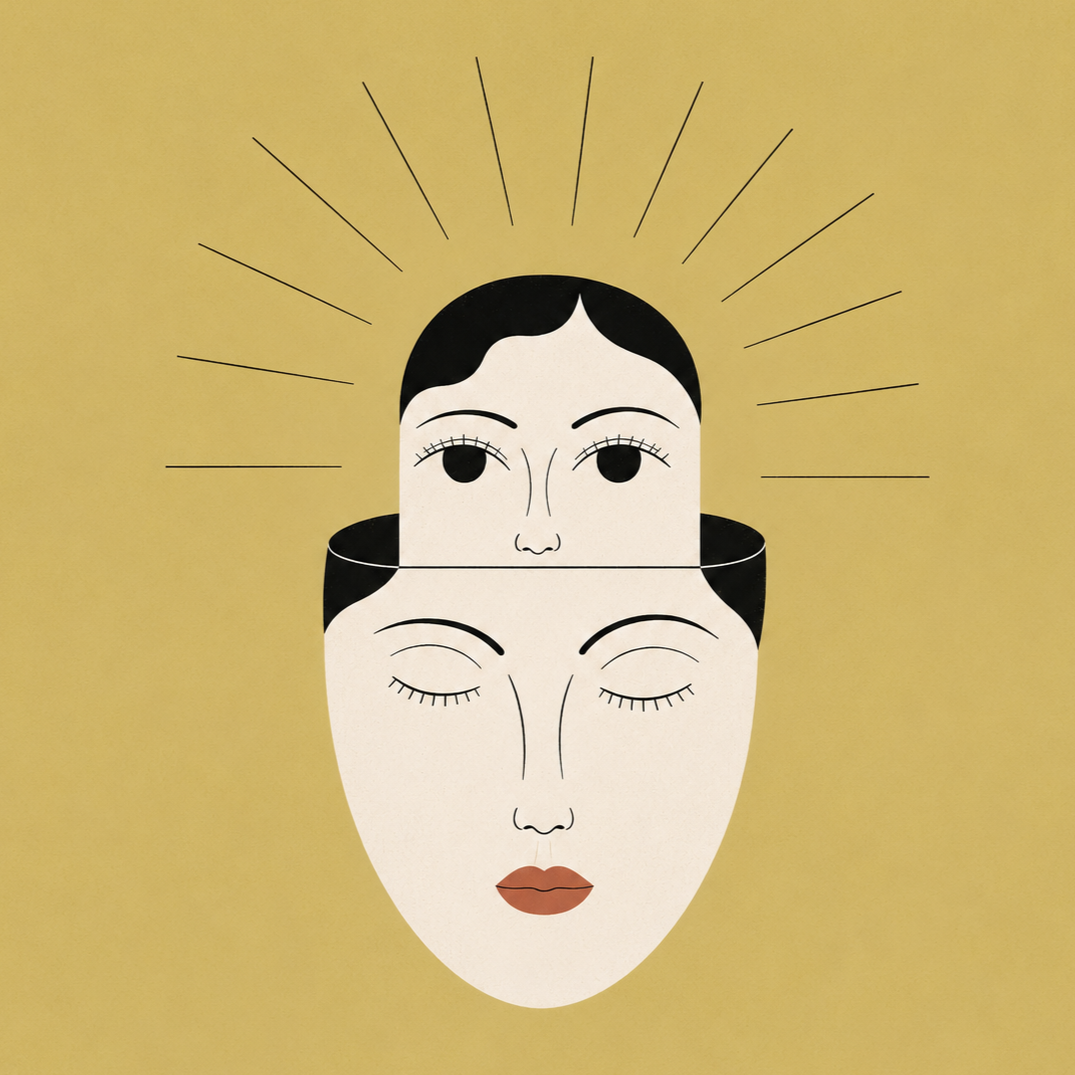
When that happens, attention settles. Awareness deepens. Time softens.
And people often find themselves relating more openly than usual. Not because anything special has been added, but because less stands in the way.
That’s why this game exists.
To remind us that the present moment is always right here, awaiting our arrival—and to create a dedicated space where we can return to it, and meet each other there.
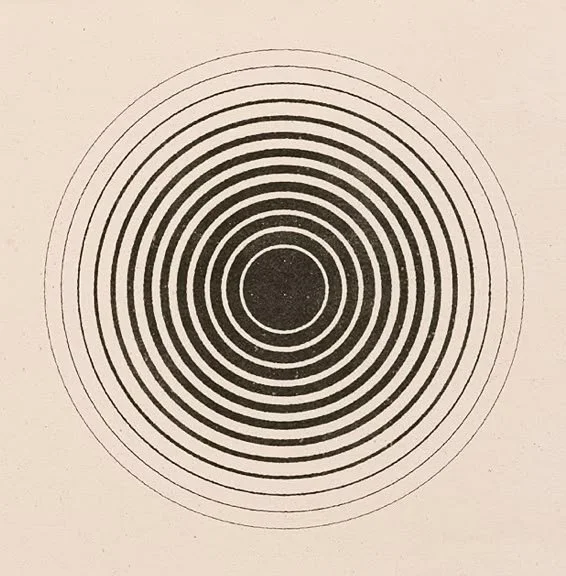
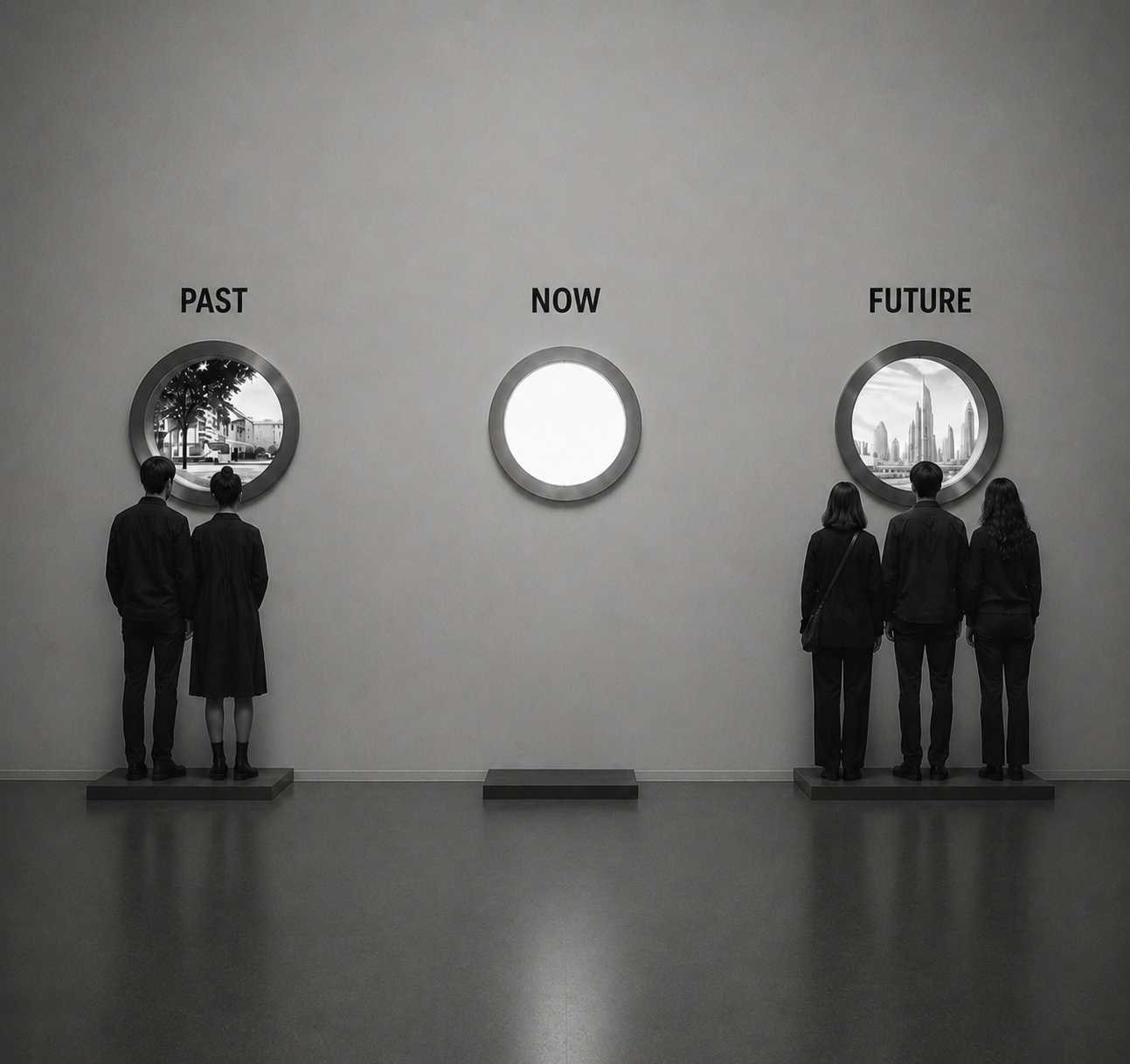
Our attention usually looks like this:
PAST
PRESENT
Future
Past
Present
FUTURE
But the game asks us to
locate ourselves here:
After being part of a T-Group community in 2019, I came to realize that it actually wasn't the interpersonal dynamics of the practice that interested me most. What captivated me was the context of the experience: a group of people slowing down to pay close attention to what was happening inside themselves right now.
Around the same time, I learned about E-Prime, a linguistic framework that removes all forms of 'to be' from speech. I was struck by how such a tiny shift in language could change perception, and began to wonder what might happen if I combined my favorite parts of the two.
So, I took the context of T-Group—the present moment—and made it the actual subject of inquiry, instead of relationality. Then, inspired by E-Prime, I introduced a few verbal constraints designed to gently keep the language of the group—and, therefore, its thinking—inside the moment. The game is the result of that innovation.
Each time I play, I find a reliable way back into presence and the deep sense of aliveness that comes from being there. My hope is that you find something equally as meaningful for yourself in it, too. ♡
How the
game began
How the game began

Alli Magidsohn
Creator of The Present Moment Game